In short
The upper river near the town of McCloud is general water with easy access. The reservoir is a lake. The canyon below McCloud Dam is managed as wild trout water, with gear restrictions and very limited harvest. The nature preserve below that adds its own access limit and its own rules on top. Check the current California regulations for the exact reach before you fish.
What wild trout water means
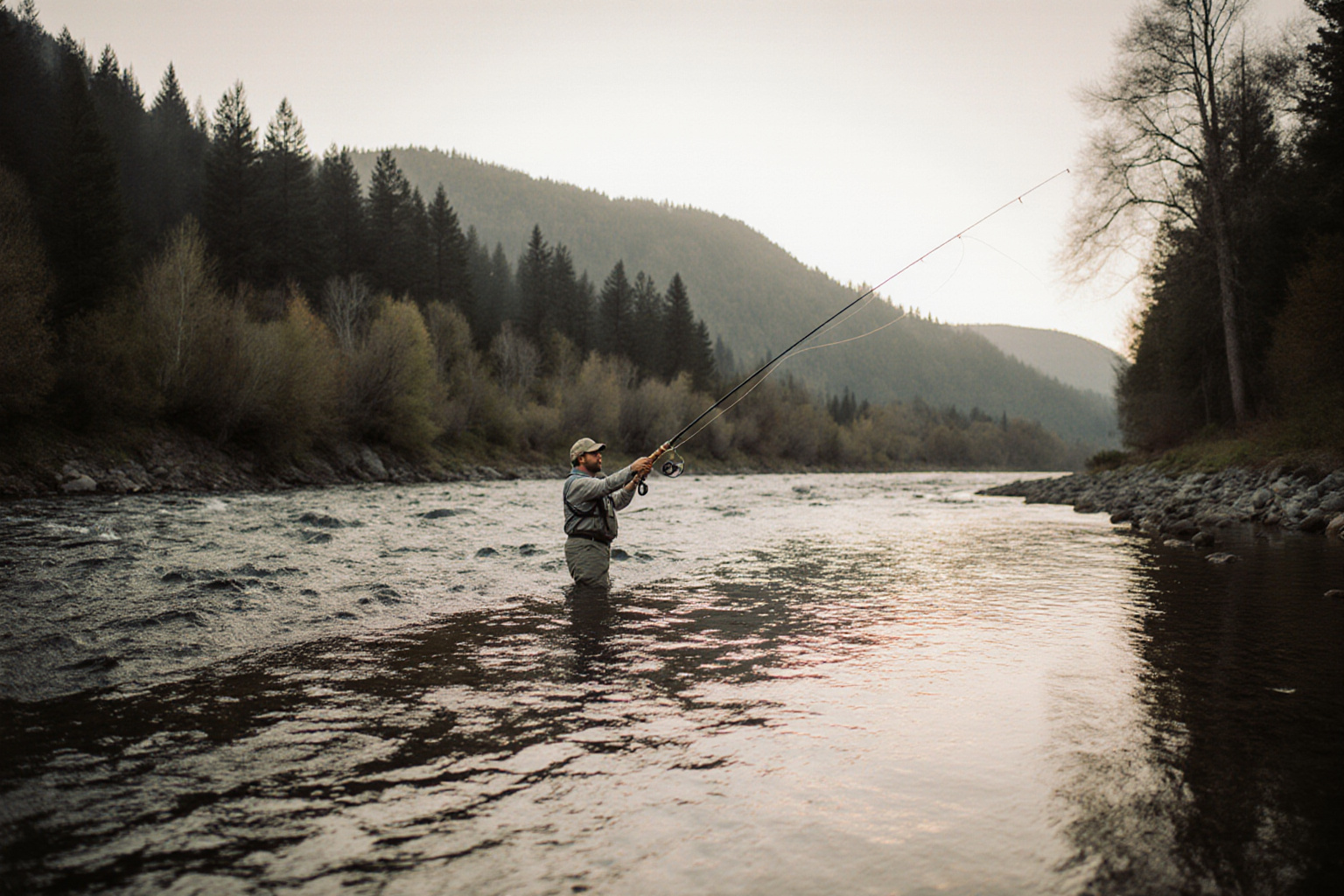
California designates certain waters as wild trout waters, managed for naturally reproducing populations. In practice that carries three consequences: no hatchery planting, gear restrictions such as artificial lures with barbless hooks, and a bag limit that is often zero. The purpose is to protect a self sustaining population rather than to support a put and take fishery.
Applied to the McCloud, this is not a recent idea. Reaches of this river have been managed for wild trout for decades, and the fish there are the descendants of the population that has always lived in it. That population has a wider significance: eggs taken from the McCloud in the nineteenth century seeded rainbow trout hatcheries across the world.
The four reaches
| Reach | Where it is | What to expect |
|---|---|---|
| The upper river | From the headwaters past the town of McCloud and the falls, above the reservoir | Roadside access, campgrounds, the waterfall trail, generally the least restrictive rules on the river |
| McCloud Reservoir | The impoundment behind McCloud Dam | A lake with lake rules, not a trout stream |
| The canyon below the dam | From McCloud Dam downstream past Ah Di Na | Wild trout management, gear restrictions, the classic McCloud fishing |
| The preserve and below | The walk in nature preserve downstream of the Forest Service ground, then private water to Shasta Lake | Limited number of anglers at a time, fly fishing only, catch and release, plus private land below |
The nature preserve deserves a separate word. It is open to the public and free to enter on foot, but the number of anglers permitted on the water at one time is deliberately capped, with part of the allocation available in advance and part on the day. The rules there are set by the organisation that manages the land, not by the state, and they are stricter than the surrounding water: fly fishing, barbless, and everything returned. Arriving late on a summer Saturday and finding the allocation full is a real possibility, so treat it as a plan rather than an impulse.
How to check your reach
- Open the current California freshwater sport fishing regulations and find the McCloud River by name in the district specific entries.
- Read the boundary description first. Reaches are defined by dams, bridges, creek mouths and similar landmarks, and it is easy to be in a different reach from the one you think.
- Note the season dates for that reach, which may differ from the general trout season.
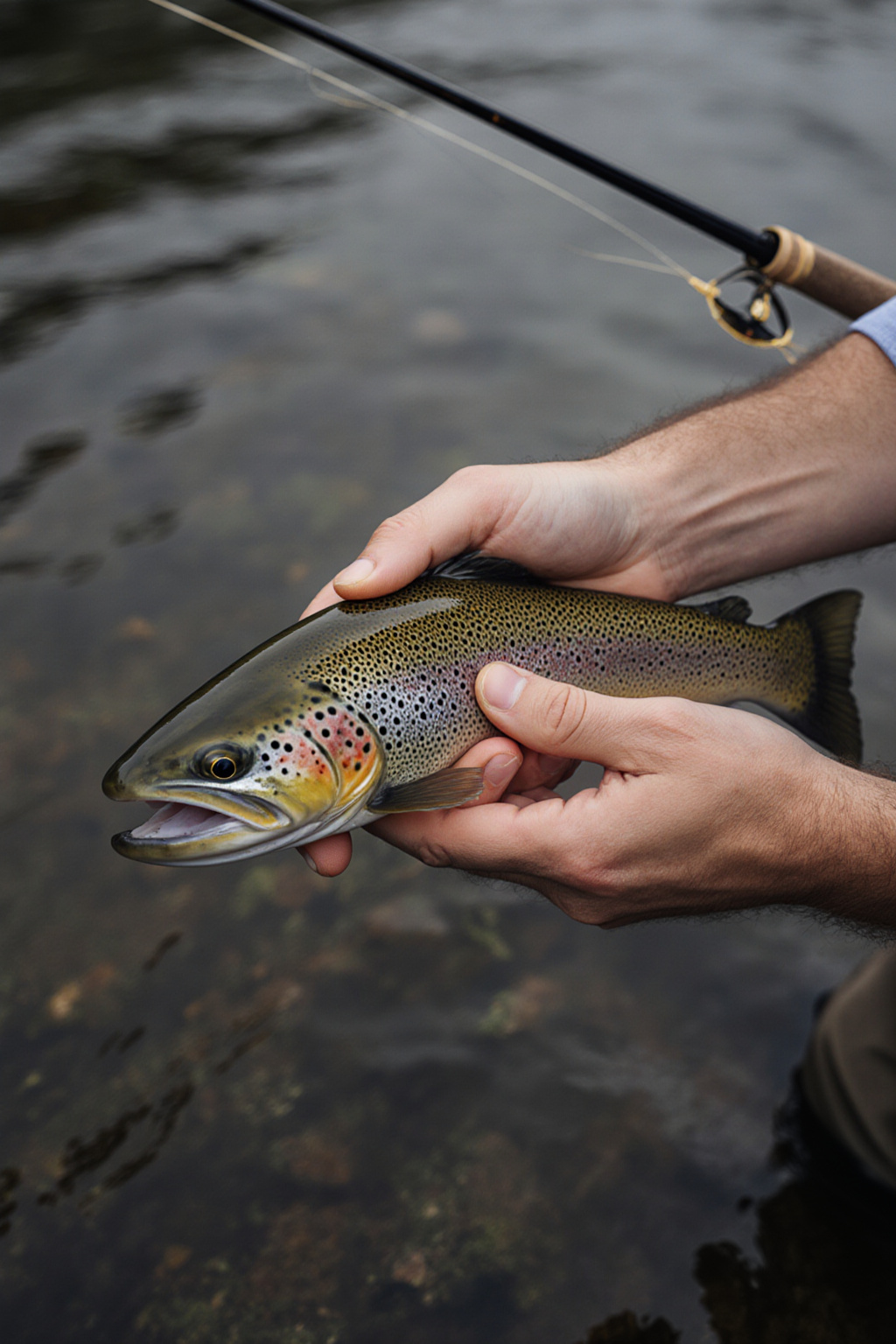
- Note the bag limit and the gear restriction, and pinch every barb before you start if artificial barbless applies.
- Check separately for anything the landowner adds, particularly on the preserve.
The structure of the rulebook, licence requirements and the reason there is no steelhead season up here are covered in the regulations section.
What the rules mean in practice
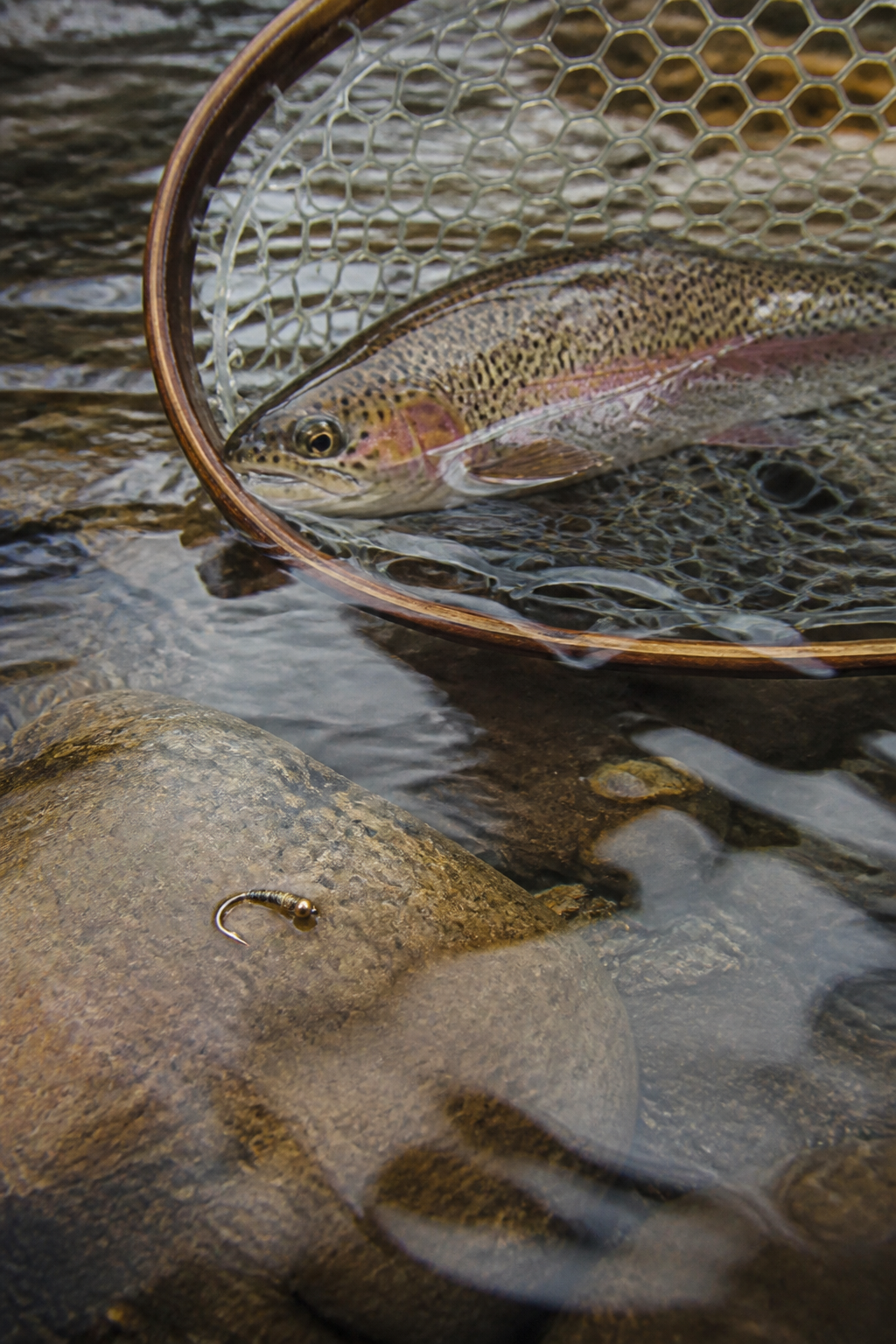
On restricted water, three habits make compliance effortless. Carry pliers and pinch barbs at the vice or in the car park rather than on the water. Carry a net with a soft rubber mesh, which shortens handling time and does less damage. Keep fish in the water for unhooking, which is both good practice and, on catch and release water, essentially the point.
A note on why this matters here
These are not stocked fish. A trout taken out of the McCloud canyon is not replaced by a truck, and the population depends entirely on its own spawning. The rules exist because the river cannot absorb harvest, and the same logic applies to wading through spawning gravel in autumn, described on the autumn page.
Getting to the reaches
Regulation and access are entangled on this river. The upper reaches are a short drive from the town of McCloud on paved road. The canyon below the dam is an hour of gravel. The preserve is that hour plus a walk. Planning the day around the reach, rather than the other way round, saves a great deal of frustration, and the access section sets out what each involves.