In short
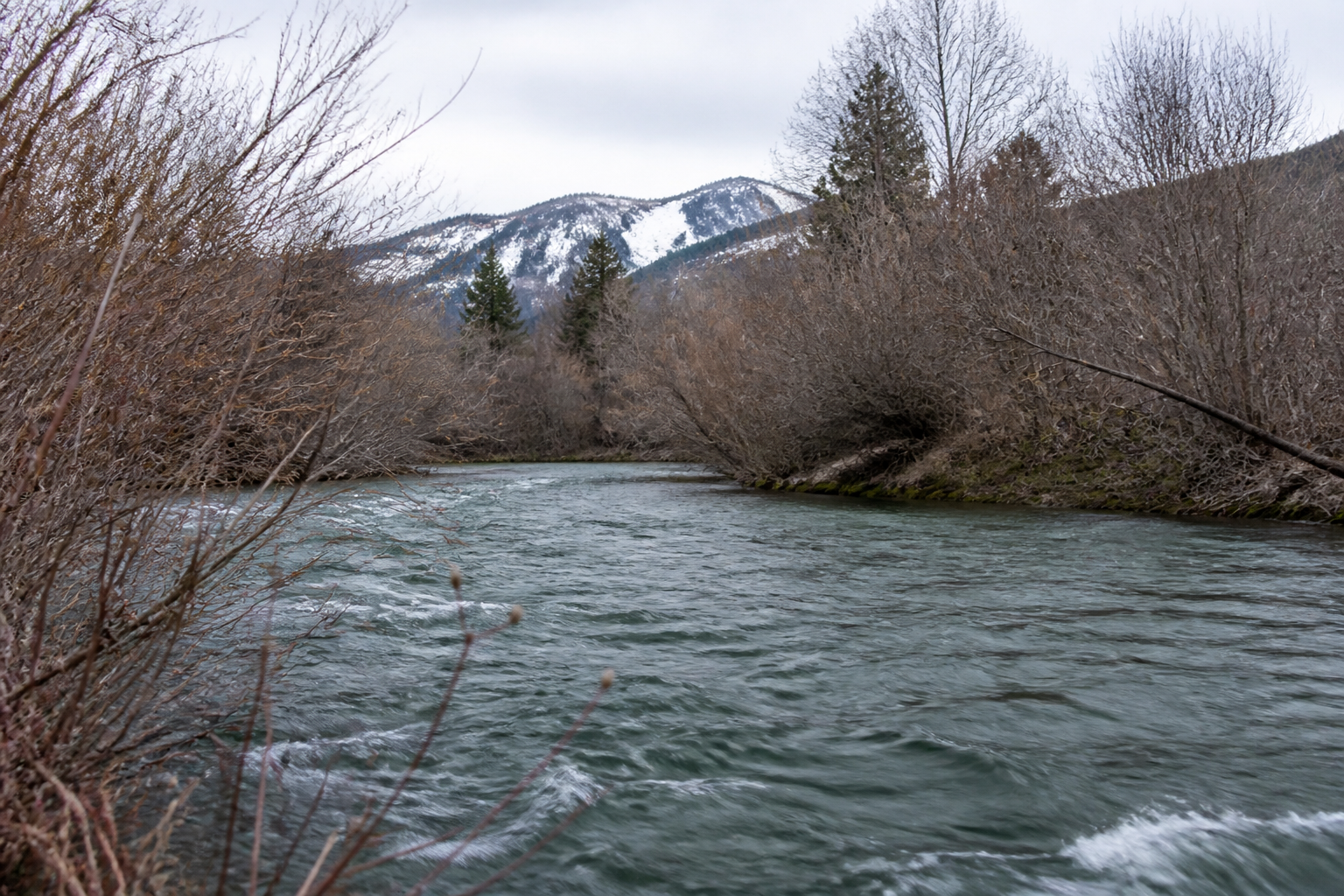
Runoff on the Upper Sacramento is driven by warm weather rather than by the date. Fish it on the drop, not on the rise: a river that has been falling for three or four days after a peak is usually excellent, while the same river climbing is usually not worth the drive. The McCloud, buffered by springs and a dam, comes into shape earlier and more predictably.
What actually drives runoff
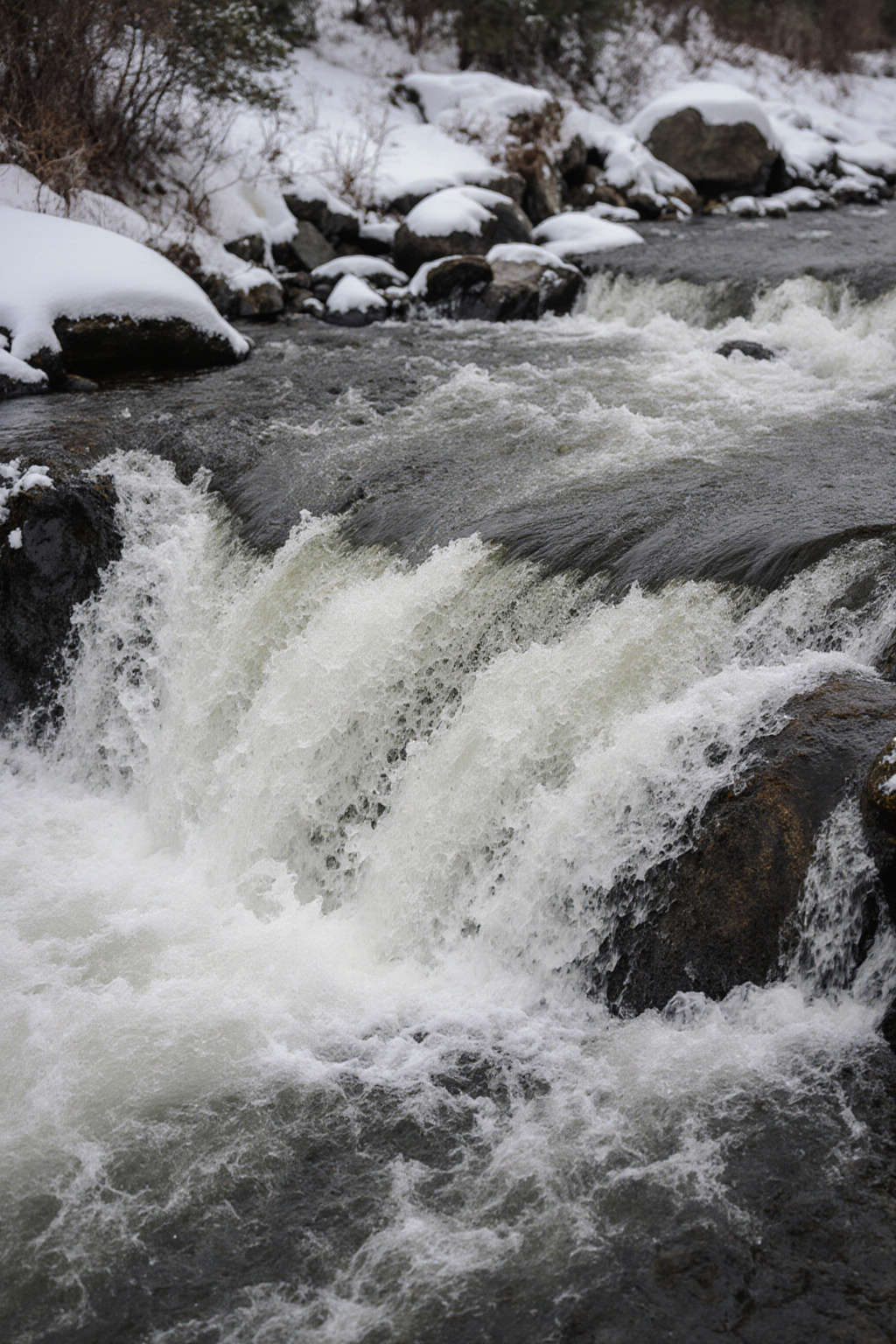
Snow does not melt on a schedule. It melts when the air above it is warm, and it melts fastest when warm rain falls on it, which is why the biggest spring rises in this drainage come from warm storms rather than from cold ones. A week of sunshine in April can produce a larger rise than a week of drizzle in May.
That has two consequences. The first is that the runoff window moves by weeks from year to year, and any statement that the river fishes from a fixed date in spring is decoration rather than information. The second is that daily rhythm matters: during hard melt, rivers fed by snow often rise through the afternoon and evening and drop overnight, so the water is at its lowest and clearest early in the morning.
Rising water against falling water
Two rivers at the same flow can be a good day and a wasted one. The difference is direction.
| Stage | What the water does | What the fish do | Worth fishing? |
|---|---|---|---|
| First hours of a rise | Colours quickly, debris moves | Move to the edges, feed briefly, then shut down | A short window, then no |
| Peak | High, brown, unwadeable in places | Pinned to the margins and the slowest water | No |
| First day falling | Still high, clearing from the top down | Begin to reoccupy seams | Marginal, fish the soft edges |
| Three to five days falling | Good colour, strong but manageable flow | Spread out, feeding hard | The best fishing of the spring |
| Settled and low | Clear, stable | Wary, back in normal lies | Good, but technical |
What hatches while you wait
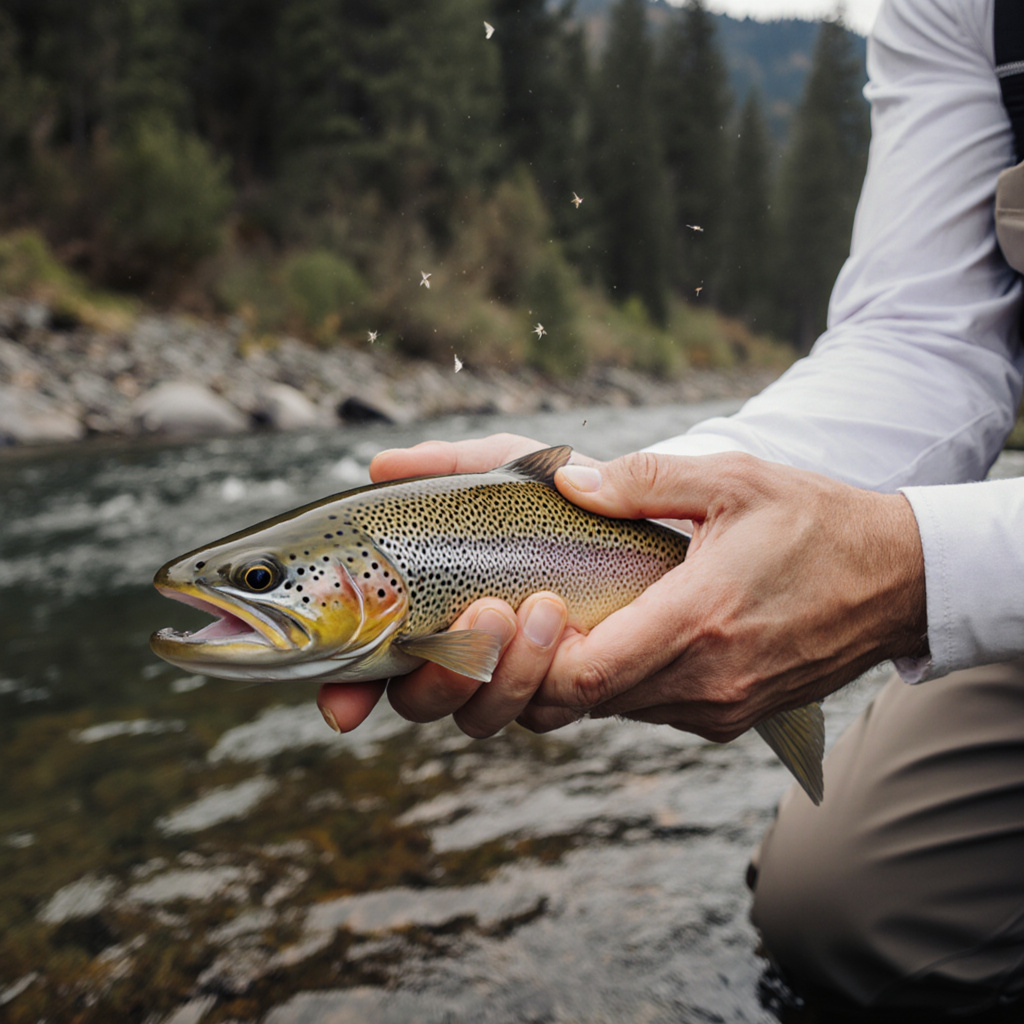
The early season carries two mayfly events worth planning around. March browns appear from late winter into April and are large enough to bring fish up even in cold water. Blue winged olives overlap with them and continue through spring, and they hatch best on the grey, drizzly afternoons that most people stay home for. Caddis begin in earnest as the water warms toward the end of the runoff, and by the time the river settles the summer pattern is under way.
The full picture is in the month by month hatch chart. In practice, in April and May, a heavy nymph fished deep in the softest water available will out fish anything on the surface most days.
Tactics for high spring water
- Fish the inside. In high water, the fish are not where they are in July. They are in the first two metres from the bank, behind every obstruction, in water you would normally wade through.
- Add weight, then add more. If your flies are not occasionally touching bottom in spring water you are fishing above the fish.
- Shorten everything. Short casts, short drifts, tight control. Long drifts in fast spring water are uncontrolled drifts.
- Use the morning. During active melt, first light gives the lowest and clearest water of the day.
- Respect the flow. Spring water is cold, fast and pushy, and it is the time of year when wading accidents happen. A staff and a conservative line through the river are worth more than another twenty metres of bank.
The McCloud in spring
The Lower McCloud handles spring better than its neighbour. The dam moderates the peak and the spring inflow moderates the temperature, so while the river certainly rises, it rarely becomes the brown torrent that the Sacramento can be in a warm April. That makes it the sensible fallback in a heavy melt year, with the caveat that the access road into the canyon can hold snow and mud later than the calendar suggests. The road conditions question is covered in the access section.
When the melt finishes, usually somewhere in June depending on the year, both rivers enter their best month. What that looks like is described in the seasonal table.